When a Community Grieves: Collective Healing After Shared Loss

Loss ripples far beyond a single family when it touches a school, workplace, or neighborhood. In those moments, grief becomes communal, and healing often blooms from shared acts of remembrance. From quiet candlelit gatherings to vibrant murals or lasting gardens, communities worldwide have discovered that honoring someone together can transform pain into connection, purpose, and even hope. Below are heartfelt examples of how groups come together after tragedy, turning sorrow into something enduring.

Spontaneous Shrines in Neighborhoods
After sudden accidents or violence, flowers, candles, teddy bears, and notes often appear at the site overnight. These roadside memorials or corner shrines mark the exact spot where life changed forever, offering strangers a place to pause, leave a message, or simply stand in silence. They remind passersby to drive carefully while giving the community a focal point for collective mourning. Over time, many evolve into permanent markers, like engraved benches or planted trees.
School Communities – Murals and Memory Gardens
In the wake of tragedies like school shootings, students, teachers, and parents channel grief into art. At places affected by loss, walls become canvases for colorful murals depicting hope, favorite quotes, or portraits of those remembered. Others create memory gardens with benches, plaques, and blooming plants chosen for their meaning. These living spaces invite ongoing visits, storytelling, and quiet reflection, helping young people process emotions through creativity and nature.
Workplaces – Plaques, Trees, and Charity Drives
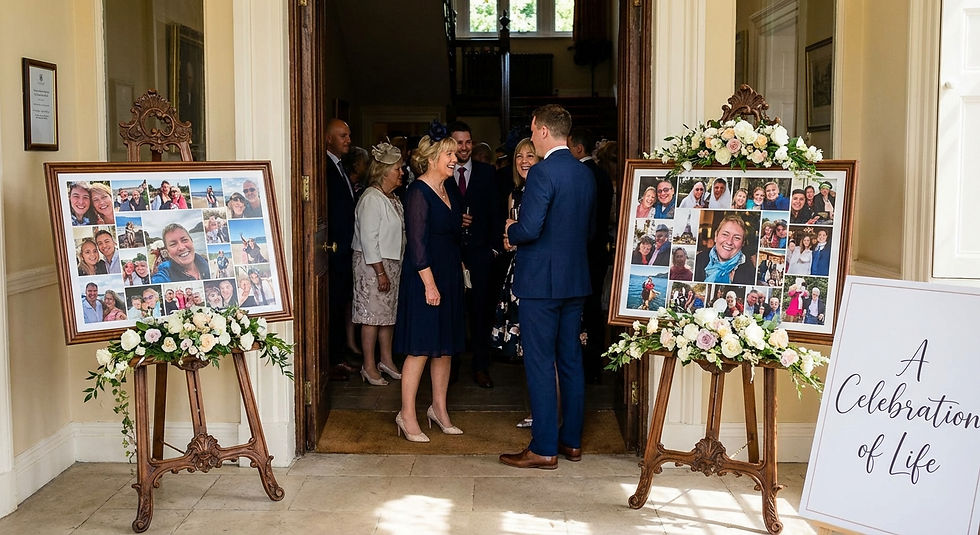
When a colleague passes unexpectedly, offices often dedicate a quiet corner with a framed photo, engraved plaque, or memorial board for notes and memories. Many plant a tree on company grounds or install a bench engraved with the person's name and years of service. Teams also organize charity runs, fundraisers, or volunteer days in honor of the deceased's passions, turning individual loss into collective good. These acts strengthen bonds among remaining staff and keep the person's spirit alive in daily routines.
Vigils and Candlelight Gatherings
Simple yet powerful, community vigils bring hundreds together under the stars. People hold candles, share stories, sing, or observe moments of silence. After events like the Oklahoma City bombing or 9/11, these gatherings provided immediate comfort, reminding everyone that no one grieves alone. They often spark longer-term projects, like annual remembrance walks that raise funds for related causes.
Service Projects and Legacy Funds
Some communities honor loss by giving back. Schools might establish scholarships in a student's name, workplaces launch ongoing charity drives for a cause the person cared about, or neighborhoods organize clean-ups and beautification efforts. After the Virginia Tech tragedy, for instance, acts of kindness initiatives spread nationwide. These projects shift focus from what was taken to the positive impact one life inspired, fostering healing through action.
Digital and Virtual Tributes
In today's connected world, online memorial pages, shared photo albums, or virtual candle-lighting sites allow far-flung community members to contribute. Workplaces create password-protected groups for stories and support, while schools host virtual assemblies. These spaces extend healing across distances and time, especially when in-person gatherings feel overwhelming.
New Paths to Collective Remembrance
Art as Therapy
Painting murals, crafting memory boxes, or collaborative quilts lets groups express what words cannot. These creations become permanent fixtures, inviting ongoing interaction and renewal of bonds.
Living Memorials
Planting trees, dedicating benches, or transforming tragedy sites into parks emphasizes growth and life. The Survivor Tree from Oklahoma City, which withstood the bombing and now thrives at the memorial, symbolizes resilience for visitors worldwide.
Ongoing Rituals
Annual walks, scholarship awards, or volunteer days keep memories active without freezing them in sorrow. They remind communities that healing is a journey walked together.
Gentle Takeaways
Shared rituals lighten the load.
Vigils, shrines, and projects prove grief feels less isolating when carried as a group.
Creativity heals.
Art, gardens, and service turn pain into beauty and purpose.
Memories endure through action. A plaque, tree, or fundraiser ensures one life continues touching many.
Communities adapt.
From spontaneous flowers to planned legacies, remembrance evolves with those who need it most.
If your school, workplace, or neighborhood is navigating shared loss, consider starting small, a vigil, a planted tree, or a shared story circle. These acts not only honor the person gone but strengthen the ties among those left behind. At A Life Portrait, we believe every community deserves spaces, physical or digital, to hold memories gently and keep love alive.


Comments